Breathing Room: Harmonizing Your Living Space for Better Mental Clarity and Flow
The environments we inhabit daily speak to our minds in a silent language, influencing our moods, productivity levels, and overall cognitive load. When you walk into a room cluttered with scattered papers, tangled cords, and mismatched furniture, your brain instantly registers that chaos. It is not just an aesthetic issue; it is a psychological one. Conversely, entering a well-organized, harmonious space can feel like a breath of fresh air, instantly lowering your heart rate and clearing your mental fog.
As professionals and individuals navigate increasingly busy lives, the boundary between our external environments and internal mental states has become deeply intertwined. Your home is not merely a physical shelter, but it acts as a direct reflection and extension of your mind. By intentionally designing and organizing your living space, you can cultivate an environment that fosters deep focus, emotional resilience, and a profound sense of inner peace.
This comprehensive guide explores the science behind space and psychology, offering actionable strategies to transform your home into a sanctuary for mental clarity.
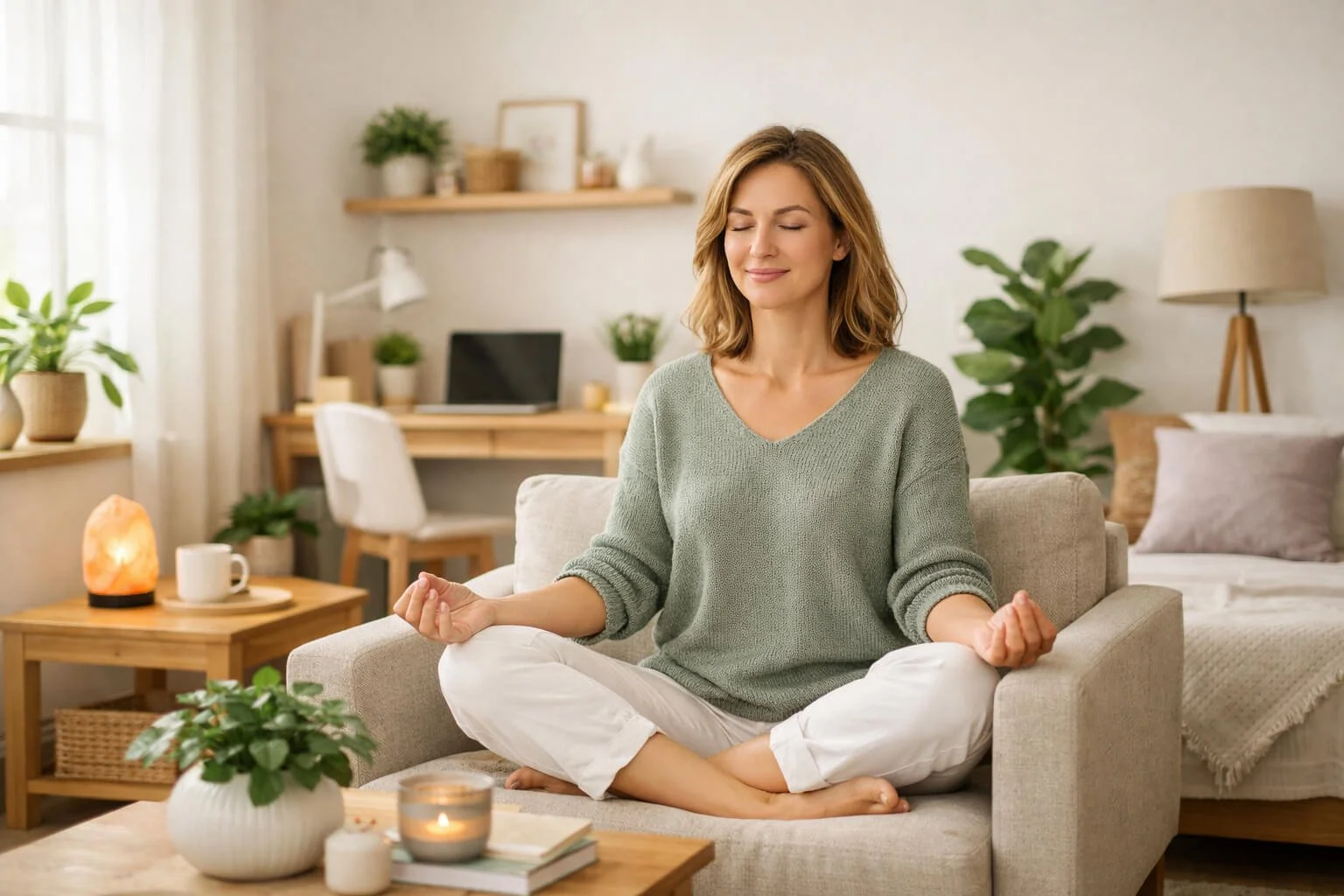
The Psychology of Space: How Chaos in the Home Breeds Chaos in the Mind
To understand why a harmonious living space is essential for mental well-being, we must first look at how the human brain processes its surroundings. Our brains are hardwired to seek patterns and order. When our visual field is crowded with clutter, the brain is forced to expend continuous energy filtering out irrelevant stimuli.
The Cognitive Cost of Clutter
Every object in your line of sight demands a small fraction of your attention. Neuroscientists at the Princeton Neuroscience Institute discovered that multiple stimuli present in the visual field at the same time compete for neural representation. They literally crowd your visual cortex, which restricts your ability to focus and process information efficiently. This chronic sensory overload elevates cortisol levels, the primary stress hormone, leaving you feeling subtly anxious and drained without realizing why.
The Mirror of the Self
The state of your living room, bedroom, or workspace often reflects your internal state, creating a feedback loop. A chaotic mind neglects the physical environment, and that messy environment subsequently amplifies mental distress. Breaking this cycle requires a conscious shift in perspective. When you view tidying up and arranging your home not as a chore, but as an act of self-care and mental preservation, the entire process becomes empowering. By establishing external order, you actively clear the runway for internal peace.
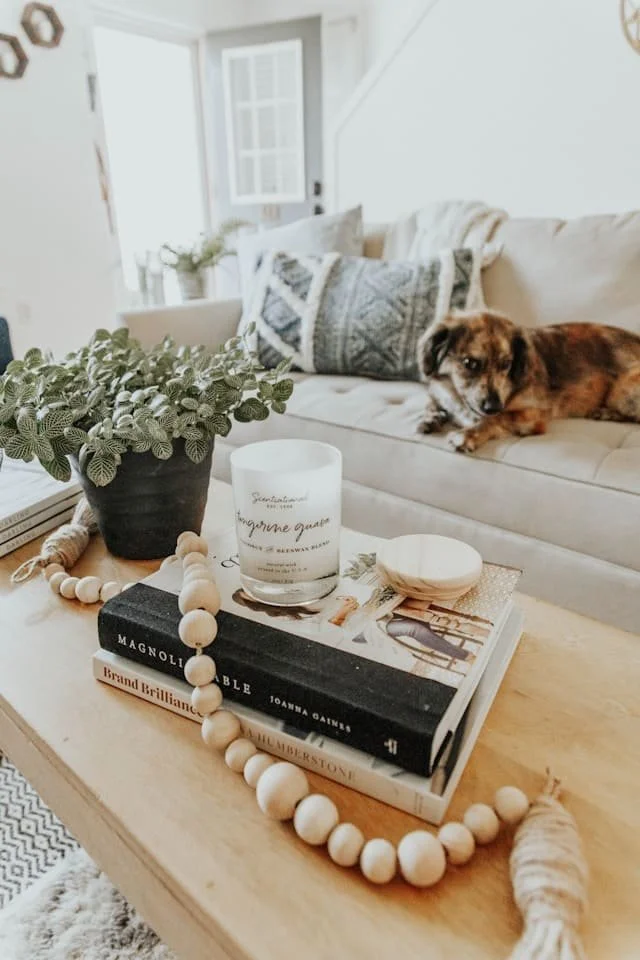
Image source: Unsplash
The Foundations of Flow: Layout, Lighting, and Spatial Harmony
Creating a balanced living space goes far beyond simply throwing away old magazines. It requires an understanding of spatial harmony and the intentional arrangement of elements to facilitate ease of movement, which is often referred to as flow.
Optimizing Visual and Physical Pathways
The physical flow of a room dictates how easily you can navigate it. If you constantly have to squeeze past a bulky chair or walk around an awkwardly placed table, your environment is creating friction. Your home should offer intuitive, unobstructed pathways.
The Power of Symmetry: Incorporating symmetrical arrangements, such as placing matching nightstands on either side of a bed, can induce an immediate sense of calm and stability.
Negative Space: Do not feel the need to fill every empty corner. Negative space, or the empty areas around and between objects, gives the eyes a place to rest and creates an atmosphere of expansive freedom.
Harnessing Light for Emotional Regulation
Lighting plays a monumental role in regulating our circadian rhythms and mood. Dark, poorly lit rooms can induce lethargy and feelings of isolation, while harsh, clinical fluorescent lighting can trigger headaches and anxiety.
Natural Light Optimization: Maximize daylight by keeping windows clean and using sheer curtains that diffuse light gently throughout the room. Position your desk or reading chair near windows to reap the focus-boosting benefits of natural sunlight.
Layered Artificial Lighting: For evening hours, move away from singular overhead fixtures. Instead, utilize a layered lighting strategy with warm-toned lamps, sconces, and dimmers. Warm light signals to the brain that it is safe to unwind, preparing your mind for restful sleep.
The Sensory Canvas: Color Theory and Biophilic Elements
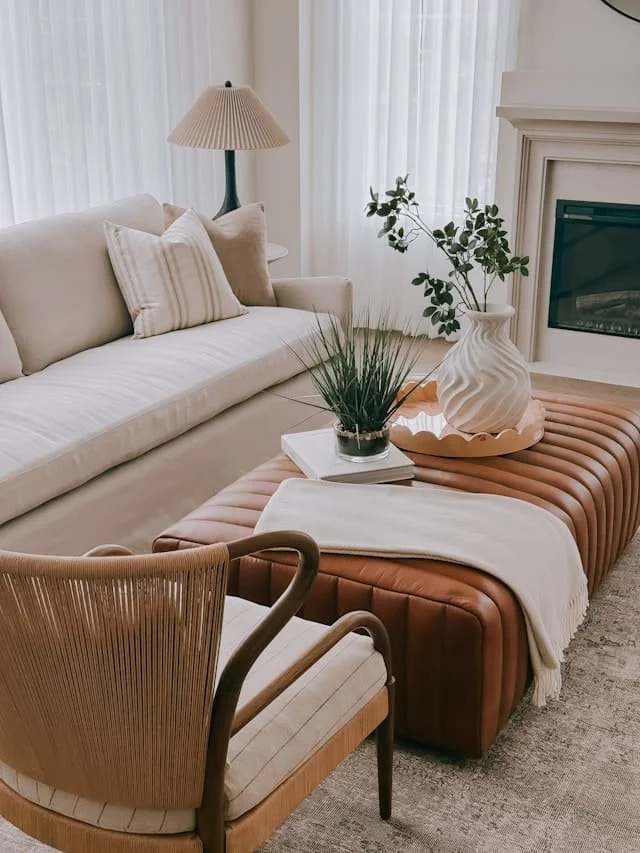
Image source: Unsplash
A truly harmonious home engages all the senses in a nurturing manner. The choices you make regarding color palettes and natural elements can fundamentally alter the psychological undertone of your living space.
Color Psychology and Mental Resonance
Colors carry distinct psychological weights and can directly influence your emotional state. When selecting hues for your walls, textiles, and decor, consider the primary function of each room.
Room Type: Workspace/Study
Recommended Colors: Soft Blues, Sage Greens
Psychological Impact: Enhances cognitive focus, reduces eye strain, and promotes analytical thinking.
Room Type: Bedroom
Recommended Colors: Soft Blues, Sage Greens
Psychological Impact: Induces relaxation, lowers blood pressure, and prepares the mind for deep sleep.
Room Type: Living Room
Recommended Colors: Warm Neutrals, Cream, Terracotta
Psychological Impact: Encourages social connection, warmth, and a sense of security.
Avoid overusing highly saturated, vibrant colors like bright red or neon yellow in areas meant for relaxation, as these tones stimulate the nervous system and can inadvertently heighten agitation.
Biophilic Design: Connecting with the Natural World
Human beings possess an innate, evolutionary affinity for the natural world, a concept known as biophilia. Bringing elements of nature indoors is one of the fastest ways to reduce mental fatigue and enhance creativity.
Indoor Foliage: Plants do more than purify the air; looking at vibrant green leaves reduces stress levels and boosts mood. Resilient varieties such as snake plants, pothos, and peace lilies thrive in diverse indoor conditions and require minimal upkeep.
Natural Textures: Incorporate organic materials into your furniture and decor. Using untamed wood, woven rattan, linen, wool, and stone introduces tactile variety that grounds your senses, connecting you to the calming stability of the earth.

Image source: Product Mockups by Moyo Studio (GET 15% OFF + 4 free mockups using our affiliate link). A look at our Goddess collection of astrology-inspired Squarespace website templates
Curating Your Environment: Deliberate Decluttering and Intentional Zones
To sustain mental clarity over the long term, you must learn to curate your home rather than just store items within it. This involves establishing distinct boundaries for your activities and editing your possessions with strict intentionality.
The Art of Mindful Editing
Decluttering is often approached with a sense of loss or restriction, but it is actually an exercise in liberation. You are choosing to prioritize your mental real estate over material objects that no longer serve a purpose.
The Categorization Method: Instead of tackling an entire room at once, which can quickly become overwhelming, sort items by category. Start with small, manageable sections like a single drawer, shoes, or books.
The Utility and Joy Test: Assess each object honestly. Ask yourself whether it serves a practical purpose in your daily routine or brings genuine joy to your life. If it does neither, thank the item for its service and donate or recycle it.
The One-In, One-Out Rule: To prevent clutter from quietly creeping back into your home, commit to a strict balance. For every new item you bring into your space, ensure an old one leaves.
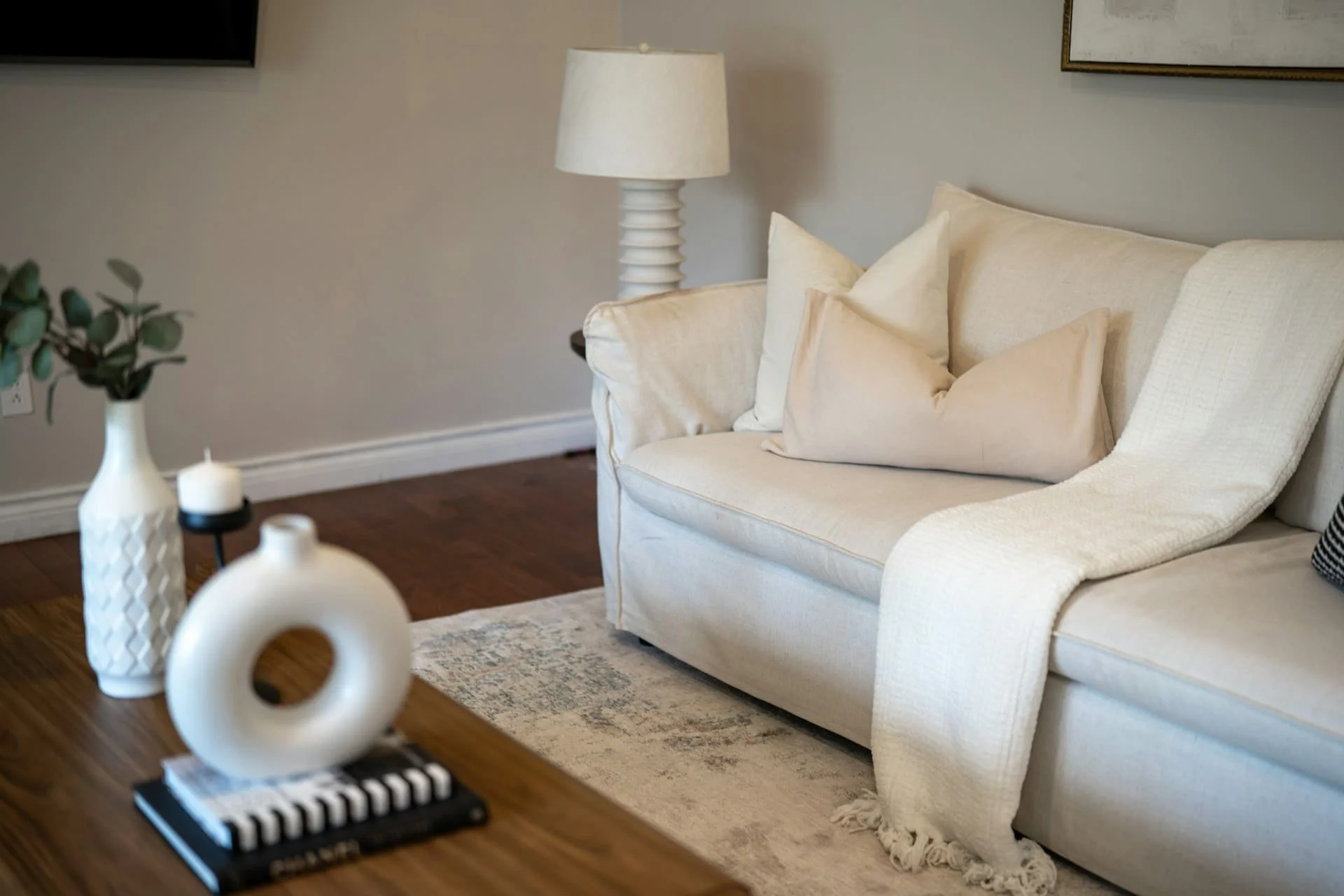
Image source: Unsplash
Designing Functional Zones for Mental Separation
With the rise of remote work and digital connectivity, our living spaces often become blurred. Working, eating, and sleeping in the exact same spot confuses the brain, making it incredibly difficult to fully switch off or fully focus.
You must establish clear, dedicated zones for specific tasks. If you work from home, construct a distinct workspace that is completely separate from your relaxation zones. If space is limited, even a specific corner with a dedicated desk setup can work. When your workday ends, pack away your laptop, close any files, and physically step away from that zone. This simple physical transition signals a clear psychological boundary, allowing your mind to step down from a state of high alertness and transition smoothly into relaxation mode.
Conclusion: Crafting Your Personal Sanctuary
Your physical surroundings are continuously shaping your internal narrative. A home filled with physical chaos, poor lighting, and blocked pathways will inevitably contribute to a fractured, anxious mind. On the other hand, a space designed around the principles of flow, natural light, soothing colors, and intentional organization serves as a powerful anchor for your mental well-being.
Transforming your home is not an overnight project, nor does it require an expensive interior design overhaul. It begins with small, deliberate choices. Open a curtain to let the morning sun flood in, clear off the surface of your kitchen counter, or introduce a single green plant to your bedside table.
As you slowly remove the physical blockages from your environment, you will find that the mental blocks begin to dissolve as well. You are creating literal and metaphorical breathing room, allowing your thoughts to settle, your focus to sharpen, and your life to flow with greater ease.