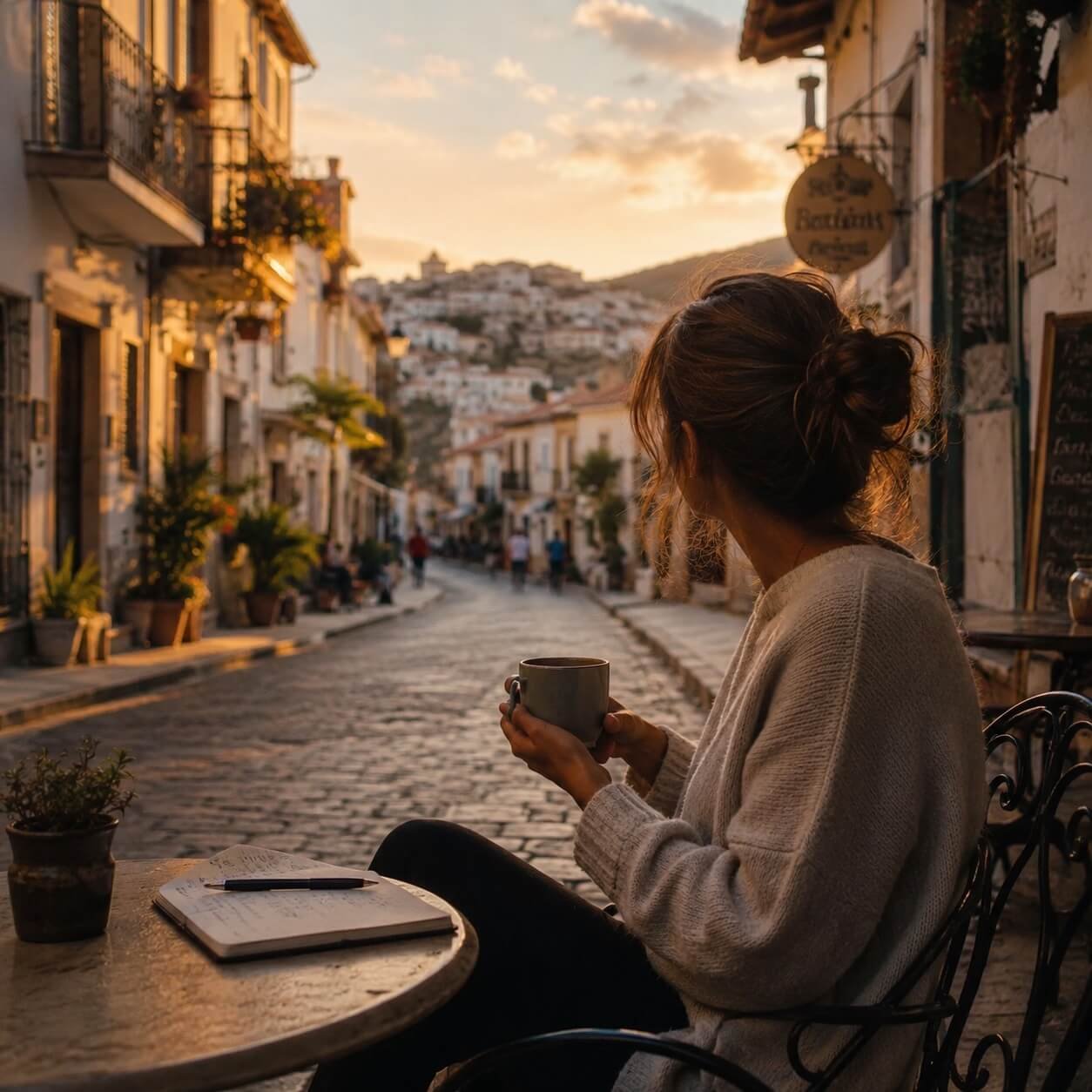
The Quiet Philosophy Of Finding Home In Unfamiliar Places
The act of travel is often presented to us as a high-stakes pursuit of the extraordinary, where we are relentlessly encouraged to chase the tallest mountain peaks, the most vibrant cultural festivals, and the hidden, atmospheric cafes that serve as the holy grails of social media aesthetics. Yet, lingering far beneath the surface-level clamor of rigid itineraries, last-minute flight confirmations, and the pressure to capture the perfect image, there exists a significantly quieter and more profound philosophy regarding the way we interact with the world around us.
Finding a sense of home in unfamiliar places is not about checking off a pre-defined list of tourist destinations or collecting stamps in a passport; rather, it is a deliberate and internal adjustment of the human soul, a recognition that the concept of "home" is not a static set of physical coordinates, but a portable, malleable state of mind that we can carry with us regardless of our latitude or longitude.
When we set out on our journeys, we frequently carry our internal anxieties tucked away in the corners of our suitcases alongside our power adapters and extra layers of clothing, treating the foreign soil beneath our feet as a challenging testing ground for our own patience, tolerance, and adaptability. However, the true beauty of deep, meaningful immersion begins when we consciously stop viewing the unfamiliar as a daunting obstacle to be conquered or a riddle to be solved and instead start perceiving it as a welcoming space to be genuinely inhabited.
By integrating simple, intentional, and grounding rituals into the fabric of our daily journeys, we can effectively transform any distant corner of the globe into a sanctuary of our own deliberate creation, where we feel entirely at ease.
The Instrument of Awareness
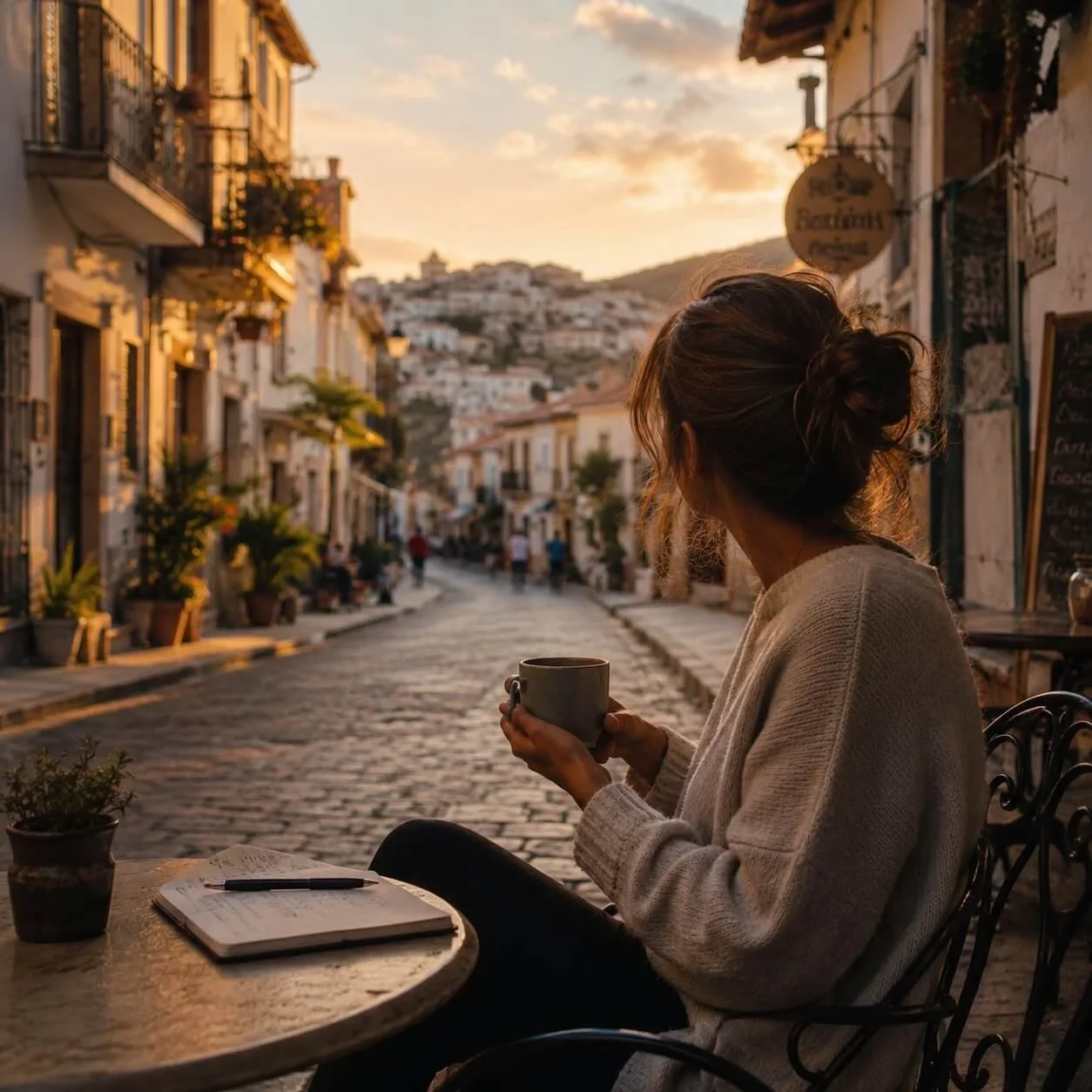
The first, most critical step in the process of domesticating the unknown is a fundamental shift in how we perceive and interact with our environment. In our modern, hurried lives, we often view travel exclusively through the detached lens of a camera, methodically documenting the surface of our surroundings rather than taking the time to truly feel the heartbeat and pulse of a new location.
To successfully find a sense of home in any environment, we must learn to treat our own conscious attention as a finely tuned instrument of connection, a tool that bridges the gap between the observer and the observed.
Much like a dedicated musician who spends years learning how to masterfully tune an instrument to produce the perfect sound, a traveler must learn to carefully calibrate their senses to the specific frequency of their immediate surroundings. This requires us to move far beyond the purely visual, asking ourselves deeper, more sensory-driven questions: What does the cool morning air smell like in a bustling, neon-lit Tokyo market compared to the crisp, thin, and ethereal atmosphere of the high Andes? What is the unique, underlying rhythm of the local language as it flows through the crowded streets?
When you stop trying to frantically catalog your experiences for the benefit of an online audience and instead focus entirely on how the environment interacts with your own nervous system, you begin to firmly anchor yourself in the present reality.
This transformative process requires a necessary shedding of our heavy, preconceived expectations. We frequently arrive in a new, unfamiliar city carrying a rigid, mental blueprint of exactly how we believe our experience should unfold, and when the complex reality of the situation fails to match our imagined map, we feel a profound sense of alienation. By practicing radical presence, we allow the authentic, unvarnished reality of the place to meet us on its own terms, without judgement.
You may suddenly find that your true home in a sprawling, foreign city is not the expensive hotel room you booked, but a specific, weathered park bench you return to every single morning, or the way the golden-hour light hits a particular, quiet street corner just as the sun begins to dip below the horizon. These small, repetitive, and deeply personal interactions are the essential building blocks of a true, lasting sense of belonging.

A high-end website also helps to strengthen your business foundation. Check out The Humanista Co.’s expertly-designed, astrology-inspired Squarespace website template collection
The Universal Language of Sound
Music serves as perhaps the most efficient, invisible bridge between the uncomfortable reality of the unfamiliar and the warmth of the intimate. It functions as a powerful, psychological anchor that has the unique ability to make even the most sterile airport hotel room or a rugged, windswept tent in the middle of a remote wilderness feel like a secure place of comfort. By bringing a thoughtfully curated playlist or even a physical, portable instrument on your travels, you provide yourself with a vital sense of emotional continuity that acts to stabilize your internal state, regardless of the chaos happening outside your window.
When you play music that is deeply familiar to you in a location that is entirely alien to your senses, you create a metaphorical "third space." This unique environment is a beautiful, complex blend of your own personal history and the raw energy of the present moment, allowing you to navigate the complexities of the external world with an internal soundtrack that serves as a constant, rhythmic reminder of your own identity.
Conversely, engaging with the traditional or modern local music of your destination can provide a profound sense of cultural entry. Whether it is the intricate, rhythmic strumming of local string instruments or the haunting, melancholic hum of a regional folk song, music gives you the rare opportunity to decode the complex emotional landscape of a people without the immediate requirement of sharing a common language.
This process of sensory integration is absolutely vital to the traveler's wellbeing. If you ever find yourself becoming overwhelmed or overstimulated by the sheer sensory noise of a massive, unfamiliar city, the simple act of putting on your favorite headphones or finding a quiet, local venue where live music is being performed can act as a necessary, functional reset button for your brain.
It aligns your own internal heartbeat with the collective, cultural rhythm of the place, turning the "foreign" into something that feels familiar, accessible, and ultimately, like home.

Image source: Unsplash
Creating Roots in Transit
The persistent irony of modern travel is that we are so often moving with such frantic velocity that we never actually afford ourselves the chance to put down meaningful roots. We frequently prioritize the breadth of our experience over the depth, choosing to visit five different cities in just ten days rather than spending ten days in a single location where we could actually learn the names of the streets.
If the primary goal of your journey is to find home in unfamiliar places, we must be willing to fundamentally reconsider our pace of travel and our commitment to staying in one location.
To feel truly at home is to have a routine that you can rely upon. It is the comfort of knowing exactly where you will buy your morning coffee, how to efficiently navigate the local transit systems without consulting a map, and which specific, winding street leads back to your dwelling once the sun finally goes down. When you give yourself the explicit permission to stay in one place long enough to transition from a transient visitor to a "local" for at least a week, the crushing anxiety of the unknown slowly evaporates into the air.
Consider the deliberate traveler who chooses their base of operations with immense care, looking specifically for environments that invite a sense of stillness. For those who prioritize the exploration of breathtaking natural landscapes, the best places to visit in New Zealand offer a unique, unparalleled sense of calm that is hard to replicate elsewhere. The ancient, rugged geography there demands a significantly slower pace, forcing the traveler to align their internal clocks with the grander, geological rhythms of the earth rather than the rushed, artificial schedules of a commercial tour group. By engaging with the various, curated tours New Zealand has to offer, one can gain the essential historical and cultural context that effectively transforms a landscape from a simple, pretty backdrop into a living, breathing narrative.
This deep connection—this foundational understanding of the story hidden beneath the soil—is precisely how we stop being temporary tourists and start being temporary inhabitants.
Even in the most chaotic, fast-paced metropolises on earth, you can successfully cultivate this deep sense of stability. It is often found in the simple, recurring visit to the same local bakery every morning, the brief but meaningful greeting you share with the same friendly shopkeeper, or the quiet, meditative act of reading a long book in a tucked-away corner of a public library. These small, deliberate acts of repetition create a powerful sense of continuity that transcends physical geography and makes any city feel like your own backyard.
Image source: Unsplash
The Conclusion: Returning to Yourself
Finding home in unfamiliar places is, at its core, a strenuous but rewarding exercise in self-reliance and emotional maturity. It is the life-changing realization that you carry the capacity for comfort and safety entirely within your own spirit.
When you no longer make the impossible demand that the world accommodate your specific need for total certainty, you gain the expansive freedom to exist comfortably and confidently in any environment you encounter.
Travel should never be viewed as a desperate escape from the reality of yourself, but rather as a rigorous process of expanding your definition of where, and with whom, you belong. By treating your senses as a sophisticated instrument of discovery, using music as a reliable emotional anchor, and choosing a travel pace that allows for the development of a genuine, daily rhythm, you effectively dismantle the high, artificial barriers that exist between the traveler and the world. You eventually learn the profound lesson that the world is not a frightening collection of strange, disconnected lands, but a vast, interconnected, and welcoming home that is always waiting for you to recognize it.
We invite you to take your next journey not as a superficial quest for novelty, but as a deliberate opportunity to practice the art of presence. Slow down your movements, listen to the sounds of the street, and observe the details that others might miss. You will quickly find that home is not something you leave behind when you board a plane, but something you carry internally, always ready to be unfolded wherever you choose to step.