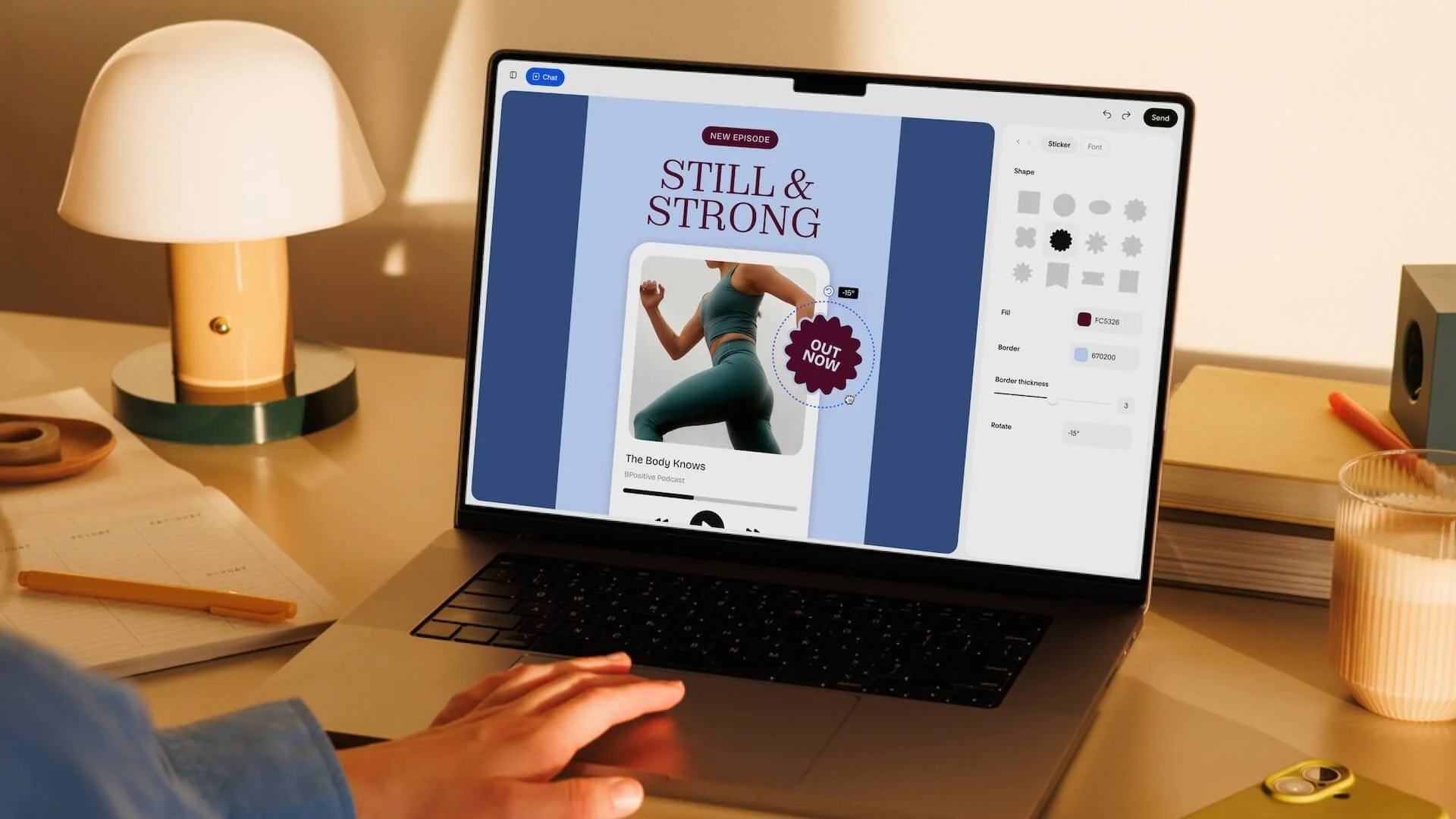
Why Customers Relate More To Progress Than Perfection
While you can certainly polish a brand until every angle is perfectly aligned and every image appears flawless, ultimately, it is the imperfect, unpolished elements of your brand (i.e., the half-completed sketch on the desk, the founder discussing their mistakes, etc.) that will provide the greatest opportunity for customers to develop a relationship with your company.
There is a big difference between creating a perfect-looking brand and developing one that is authentic. An ideal, professional-looking brand can impress potential customers initially. However, if your brand does not demonstrate a level of development, it will likely turn off those who are looking for something to grow with.
It’s natural for customers to be wary of companies that appear to be “too perfect” in their branding. This is due to the fact that perfectionism can often lead to customers perceiving a brand as being “unrealistic.” Once a customer identifies a perceived disconnect between a brand’s imagery and reality, they will typically lose interest in that brand quickly.

Image source: unsplash.com
Progress Provides Movement To Your Company’s Story
Perfectly crafted brands tend to feel static. While a perfectly crafted brand can be visually stunning, it lacks movement. Progress lends momentum to a company’s narrative. Because customers can witness something evolving over time, they have reason to continue following your business.
Witnessing a new concept being developed through multiple prototypes, seeing improvements being implemented to products and services based upon customer input, witnessing employees develop their voice, and seeing an individual client issue resolved thoughtfully rather than superficially, these are examples of how progress creates engagement.
Therefore, behind-the-scenes content can be incredibly effective. Customers are able to see both the road traveled and the destination reached. A bakery that shares photos of its recipe-testing process could be much more inviting than a post showcasing nothing but beautifully arranged cakes. A designer who explains how they came up with three different logos before finally settling on one can seem much more thoughtful than simply posting the final logo. A business owner who discusses lessons they’ve learned during a particularly difficult season can seem like they possess more integrity than one who claims every month is completely smooth sailing.
In addition to purchasing what you are selling, your customers are determining whether or not they believe in how you think, how you operate, and how you respond when circumstances change. Therefore, providing evidence of how your business evolves through time is crucial.

Image source: Pexels
Relate The Hands Behind The Work
As soon as customers begin to feel that there are hands operating behind the scenes of a company, they find themselves more capable of relating to that company.
Who makes the decision-making for your company. Who is addressing problems? Who responds to e-mails? Who cares enough about improving the service, changing processes, or staying late to complete something correctly?
Using ordinary business stories and experiences can allow for great opportunities for storytelling. Dramatic stories are not required. In many cases, smaller stories can feel more realistic.
For example, you could depict how an idea evolved from a single scribble on a sticky note into a fully-fledged marketing campaign. You could discuss how a client’s challenge influenced how you currently conduct business. You could describe the exact moment your team realized that something had to be adjusted. Documentary-style videos featuring everyday aspects of running a business can be used effectively for similar reasons.


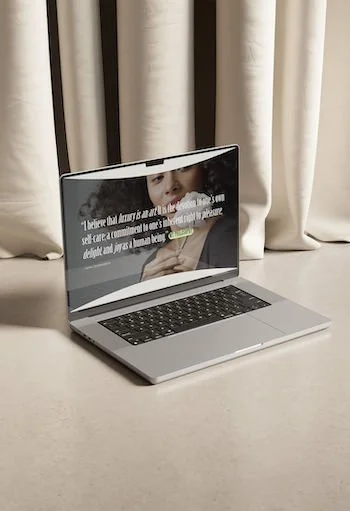
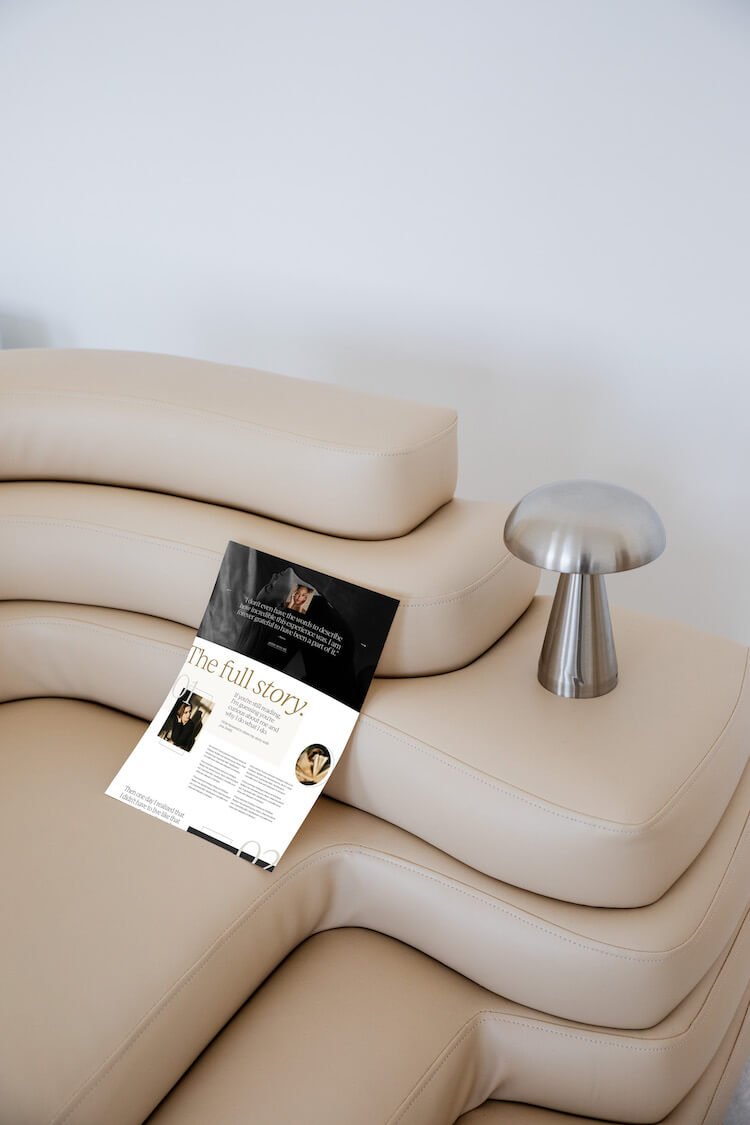

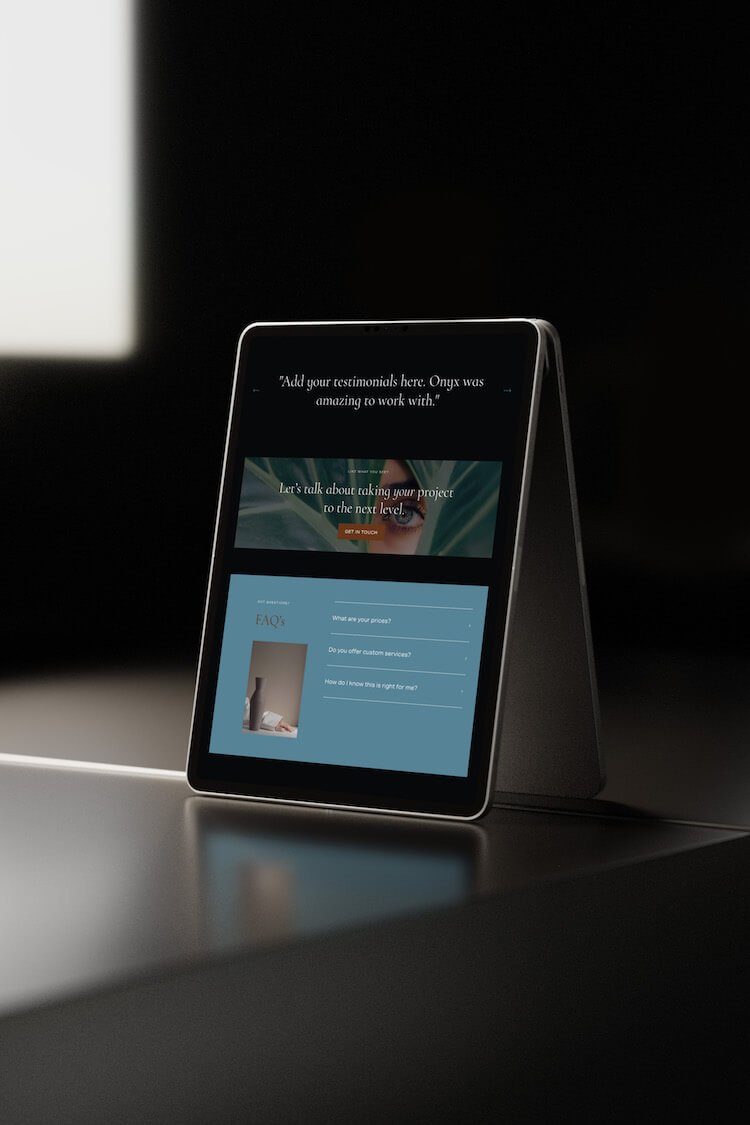

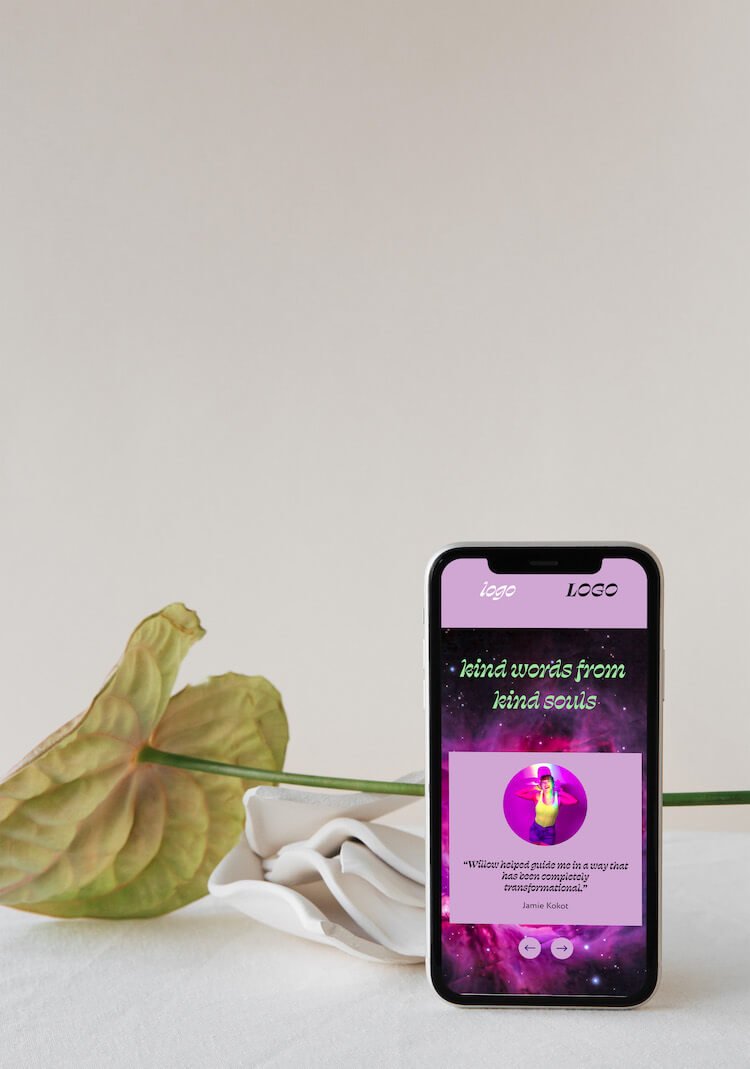
Speaking of the hands behind the work, pictured above are some examples from our expertly human-designed Squarespace website template collection to show you how you can display the evolution of your brand over time. Trust us, AI has not touched these templates. Each one was meticulously crafted by designer and founder of The Humanista Co. herself, Daniela West. Every template has a pre-designed Case Studies page which makes it simple and quick to add value-packed, relevant case studies to provide proof of how your business has impacted customers over time. This is the fastest way to build trust, especially in the online space. Keep in mind that that is essential to keep this page updated as your business grows, and feedback changes over time.
Image source: Premium product mockups by Moyo Studio (GET 15% OFF + 4 free mockups using our affiliate link).

Image source: unsplash.com
Demonstrate The Lesson, Not Just The Success
Numerous organizations successfully communicate successful outcomes. Far fewer organizations successfully convey the lesson(s) underlying this success. However, the lesson is generally where the connection exists.
Rather than only publishing news regarding a product selling out entirely, publish news illustrating what your organization learned from the increased demand relative to your target market.
Rather than only displaying images of your office space, include information highlighting how your company altered its work environment as a direct result of its newly designed office space.
Rather than only publishing news surrounding the launch of a new service offering, discuss what continuous customer requests necessitated the creation of said service offering.
By conveying this type of data, you do not diminish your credibility. Rather, you enhance its credibility.
Customers do not require you to be perfect before they trust you. They merely require you to appear attentive. Furthermore, customers desire evidence that your decisions stem from actual experience, rather than unsubstantiated assumptions disguised as certainty.
To this end, this creates an authentic brand that customers can depend on.
Create A Brand That Will Continue To Evolve Alongside Its Customers
When your brand is too polished, it tends to create distance with customers. Conversely, when you display progress toward completing tasks or goals, customers feel the effort involved in reaching said objectives.
Since customers witness an evolution in your company, they recognize the amount of time spent working on each objective. They notice the care applied in accomplishing each task. They realize that what you present today has resulted from lessons learned yesterday, from feedback provided by consumers, from trial-and-error, from patient efforts, and from actual work done by employees. Frequently, this is more powerful than presenting flawless images.
Do not constrain yourself from allowing your brand to “breathe”. Maintain high-quality expectations, but refrain from hiding all signs of progress. Show your employees’ thoughts. Highlight small improvements made by employees.
As mentioned previously, perfection can create immediate interest among consumers; however, relatability is often what eventually translates interest into trust among consumers, which is why we advocate for emphasizing progress over perfection in our branding practices.
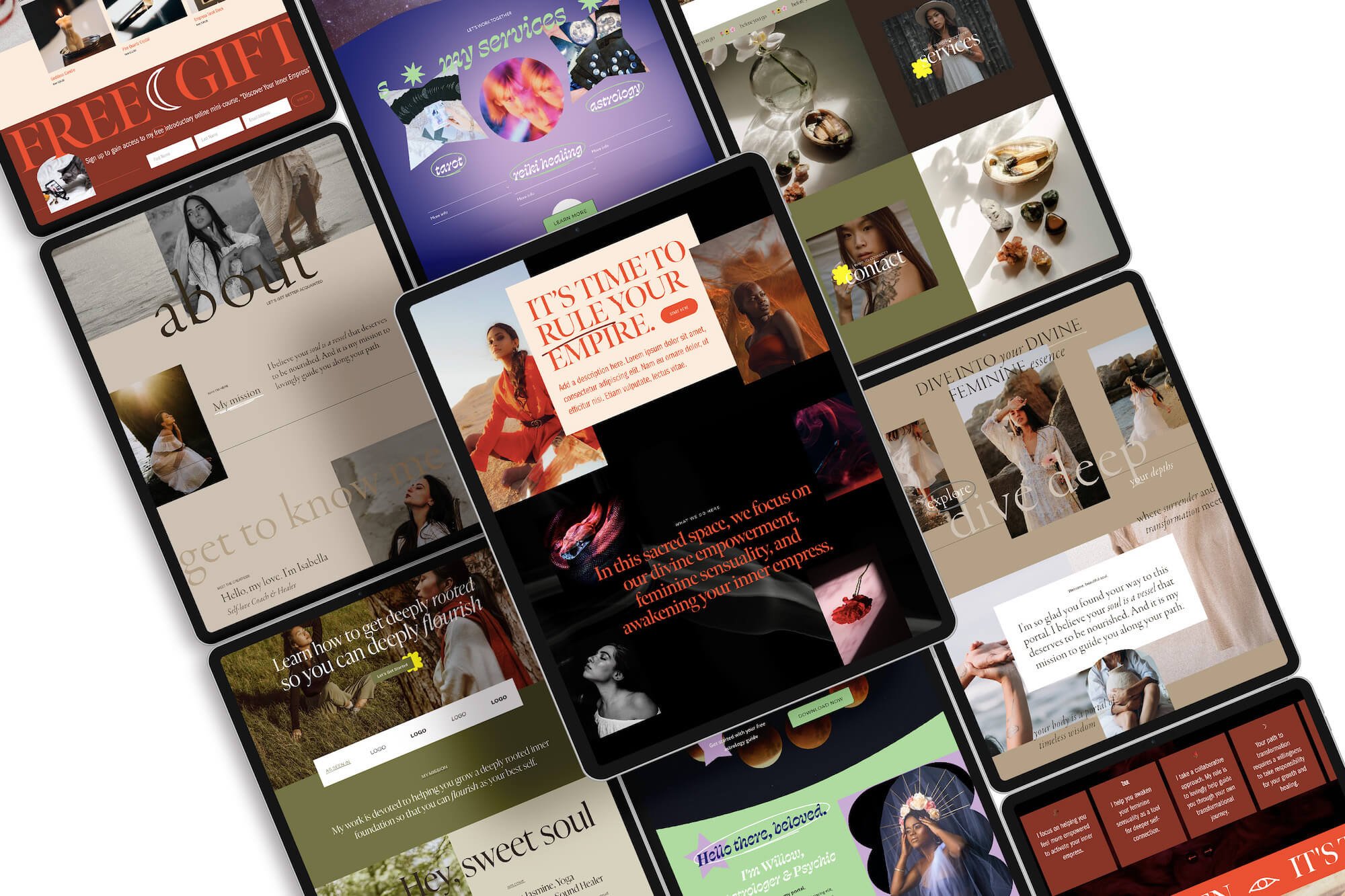
A look at The Humanista Co.’s Goddess collection of astrology-inspired Squarespace website templates. Image source: Premium product mockups by Moyo Studio to showcase your products in an elevated way (GET 15% OFF + 4 free mockups using our affiliate link).