How Self-Published Wellness Authors Can Stand Out and Sell More Books
Self-published authors in wellness, self-help, and spirituality often do everything “right” and still struggle to get noticed in a saturated book market. The core tension is simple: heartfelt messages get buried when book listings, social feeds, and search results treat every promise of healing or growth as interchangeable.
These wellness book marketing challenges make spirituality book promotion and launches especially frustrating for self-help authors who don’t have a big platform behind them.
The fastest way to stand out starts with personal branding importance and a clear niche that tells the right readers why this book is for them.

Image source: unsplash.com
Quick Summary: How to Stand Out and Sell More
Define a clear personal brand that communicates your wellness message and builds reader trust.
Identify a specific target audience so your marketing speaks to real needs and motivations.
Engage on social media with genuine conversation to grow visibility and credibility.
Build an email list to nurture readers and create a reliable channel for book launches.
Optimize Amazon and use content marketing to improve discoverability and support ongoing sales.
Make On-Brand Promo Graphics in 30 Minutes—No Designer
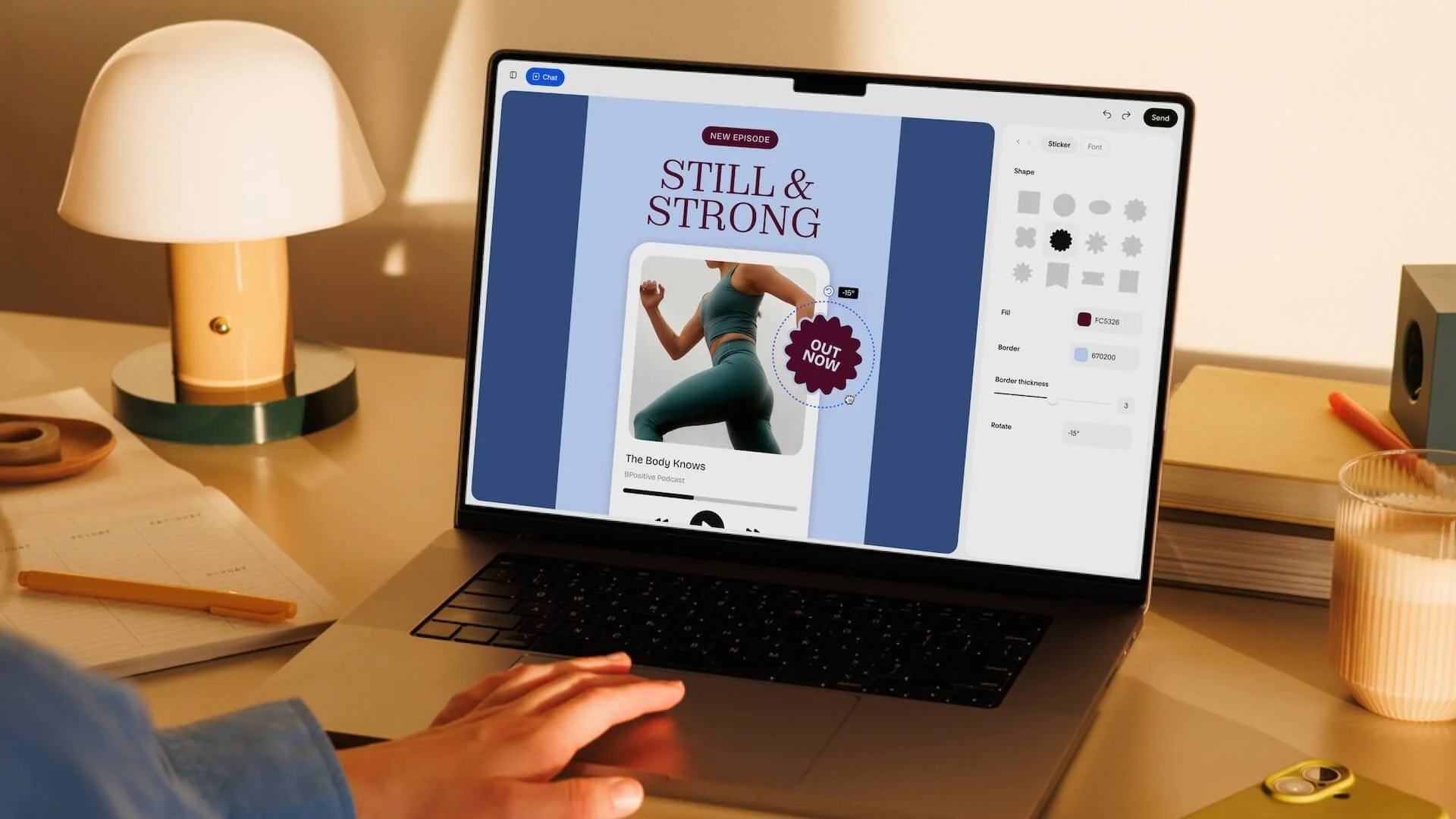
Once your marketing plan is clear, the fastest way to look more “established” everywhere you show up is to make your visuals consistent.
Self-published authors don’t need a full design team to create strong marketing materials, especially if you’re working with practical, accessible tools. It’s true that AI can be divisive, but for many wellness, self-help, and spirituality authors, AI art generators are simply a helpful creative starting point when you don’t have much design experience (or time). Tools like an AI art maker work by turning text prompts into images: you describe what you want, generate a few options, experiment with different styles, then refine what’s closest to your vision.
That makes it easier to explore visual directions for things like covers, ads, or social media graphics, without staring at a blank canvas. Instead of replacing your creativity, AI can support it: helping you iterate quickly, compare ideas side by side, and land on imagery you might not have been able to visualize on your own.

Image source: unsplash.com
Understanding Author Branding That Actually Sells
Author branding is the “why you” readers feel in every post, interview, and book page. An author brand is your unique identity, built from four pieces: voice (how you sound), promise (what change you offer), proof (why you’re credible), and vibe (the emotional tone people remember). Audience targeting then makes that identity land with the right wellness, self-help, or spiritual reader.
This matters because consistent branding reduces confusion and speeds up trust. It also helps you stop writing content for “everyone” and start attracting people who are ready for your approach. Think of two stress books: one is “calm for busy parents,” the other is “calm for empaths.” Same topic, different promise, proof, and vibe, so the right readers self-select.



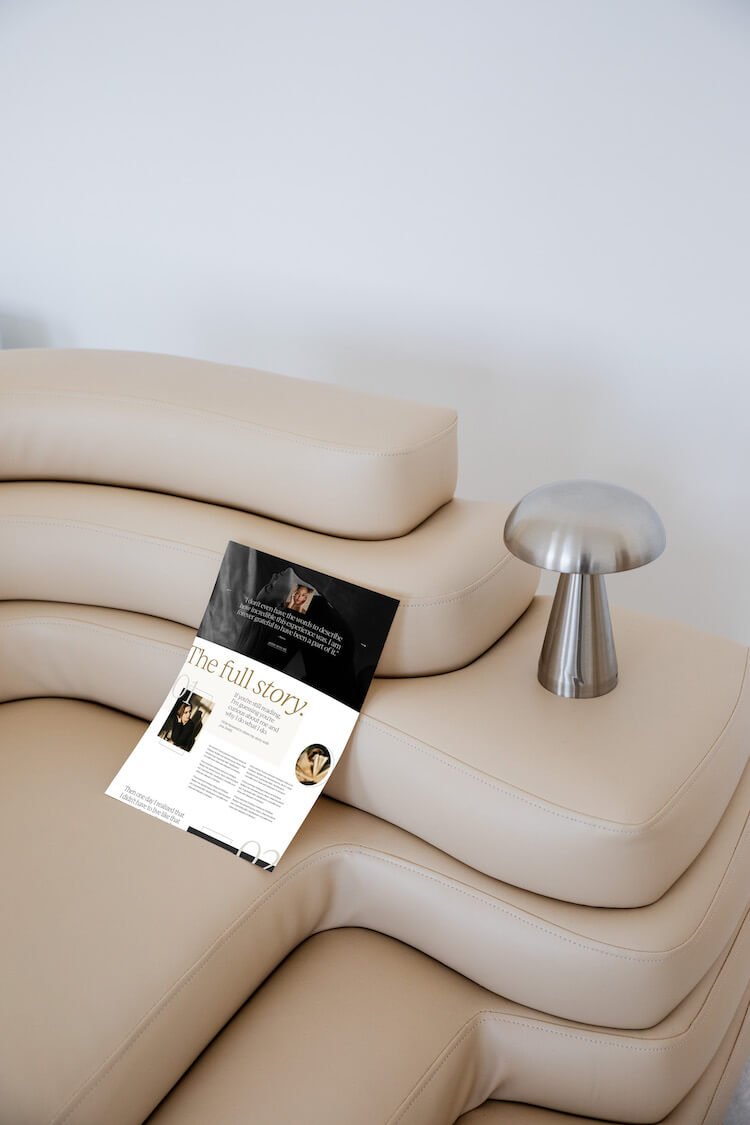

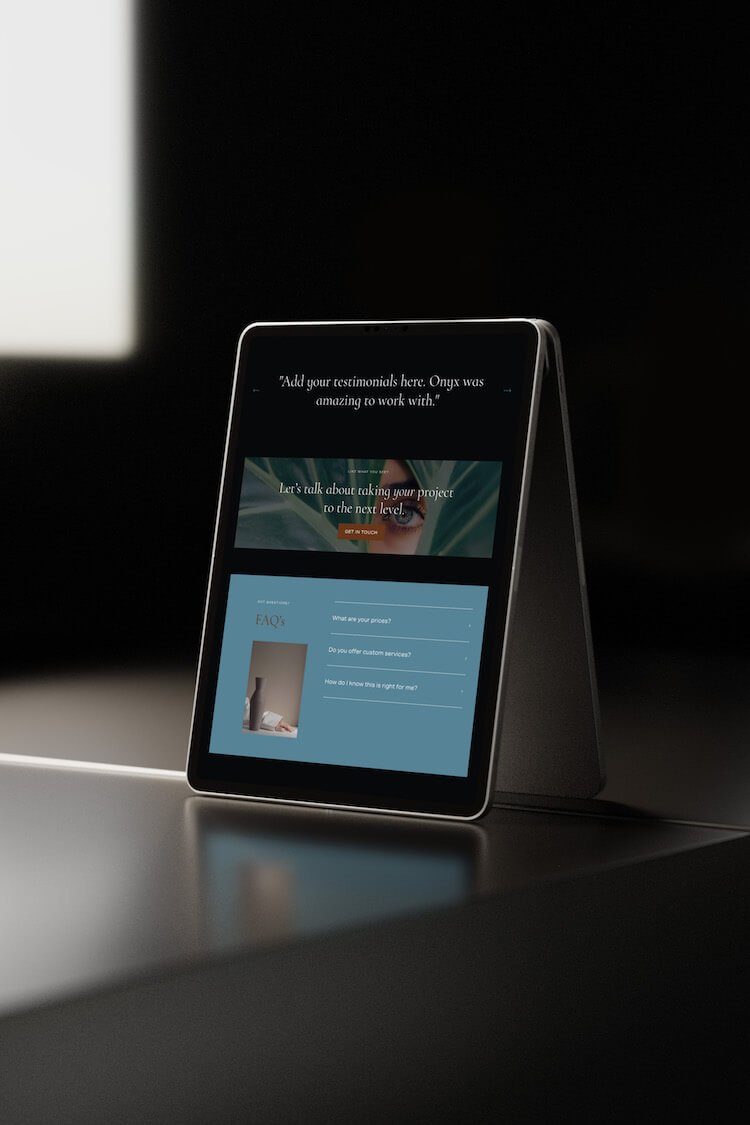

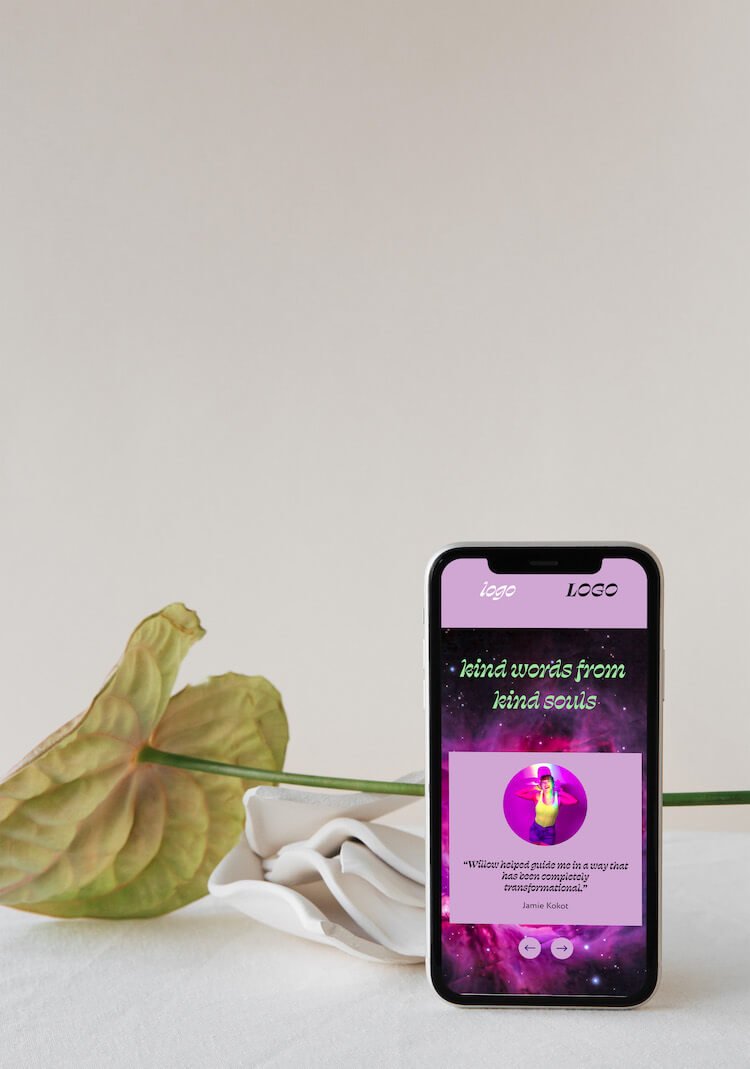
Speaking of experts, pictured above are some examples from our expertly designed Squarespace website template collection to show you how you can display your social proof in testimonial sections on your website portfolio as you continue to collect customer feedback over time. Every template has a pre-designed Case Studies page which makes it simple and quick to add value-packed, relevant case studies to provide proof of how your business has impacted customers over time. This is the fastest way to build trust, especially in the online space. Keep in mind that that is essential to keep this page updated as your business grows, and feedback changes over time.
Image source: Premium product mockups by Moyo Studio (GET 15% OFF + 4 free mockups using our affiliate link).

Image source: unsplash.com
Build a Simple Book Marketing Roadmap That Sells
This roadmap helps you build a steady stream of visibility that turns casual scrollers into subscribers and, eventually, buyers. It matters because most readers need repeated, consistent touchpoints before they trust a wellness author enough to purchase.
Set up your home base and book links: Start with a simple author website or landing page, plus an email signup form and one clear “Start here” path (free chapter, quiz, or checklist). Then align your Amazon Author Central page, Goodreads, and social bios so your promise and credibility match everywhere. This creates one reliable place to send people from every post, interview, or podcast.
Use social media for conversation, not clicks: Choose one platform you can show up on consistently, then post content that invites replies: quick self-assessments, behind-the-scenes routines, and “try this today” prompts. Treat posts as discovery and trust builders because 0.25% of your followers may click a link on a given update, so comments and DMs often do more for sales than constant linking.
Grow an email list with a clear reader benefit: Offer one free, specific win tied to your book’s outcome, like a 5-minute grounding audio, a 7-day habit tracker, or a “start here” guide for your method. Place the signup on your site, in your social bio, and inside your ebook and paperback with a simple call to action. Email is where you can reliably follow up, tell stories, and make an offer without fighting an algorithm.
Turn your ideas into searchable content: Pick 3 to 5 reader problems your book solves, then create short posts, a weekly blog, or a YouTube video for each problem and reuse the same core message across formats. End each piece with one next step: join your list, read a sample, or grab the book. This content keeps working over time, bringing in readers who are actively looking for help.
Improve Amazon visibility and amplify with proof: Polish your product page basics: a benefit-led description, the right categories, strong keywords, and a cover that signals the promise at a glance. Then schedule small boosts that stack together: request reviews from your list, swap newsletters with aligned authors, and run limited-time promos when you have fresh traffic coming in. Social proof and partnerships make every other channel convert better.
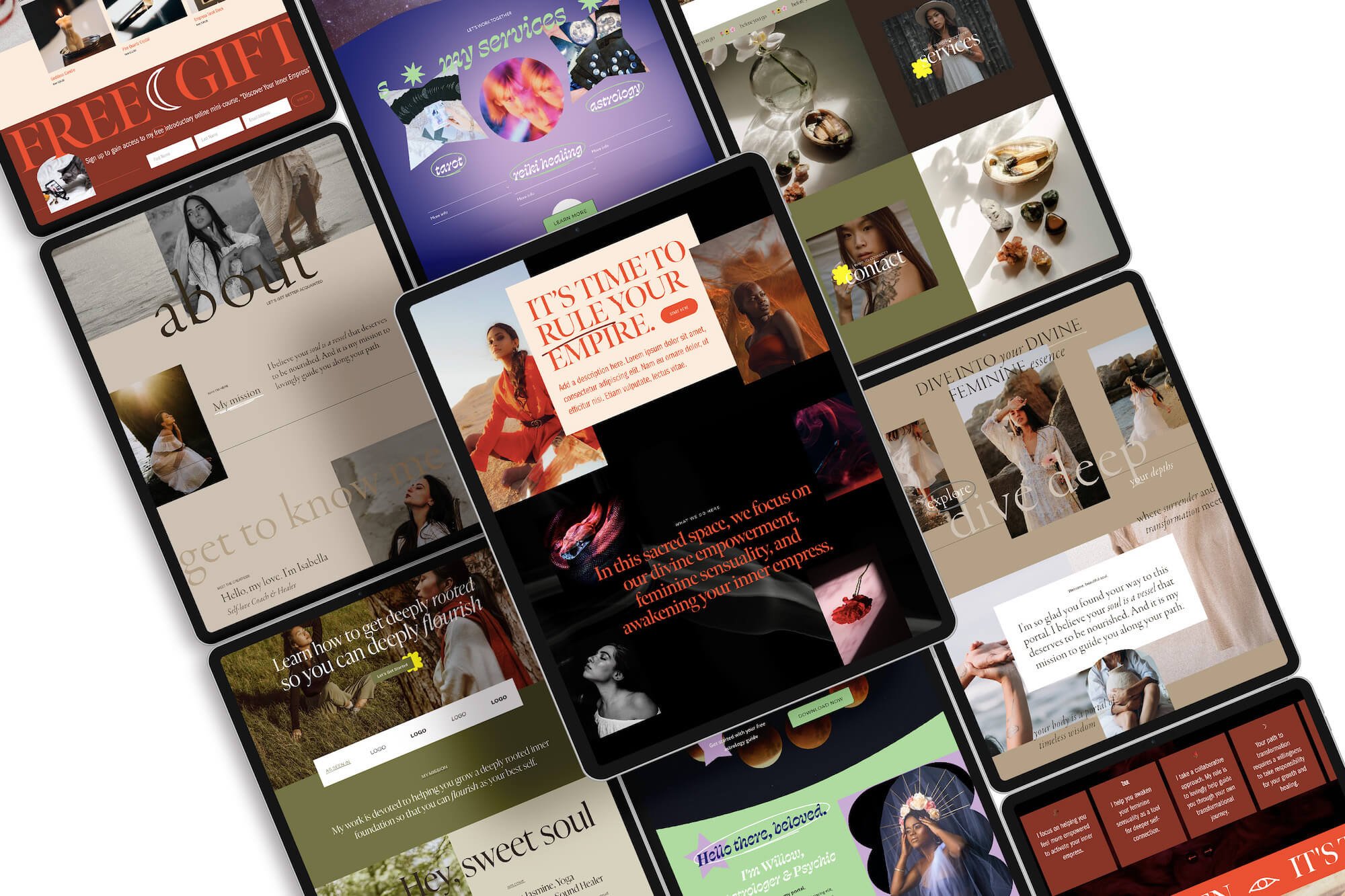
A look at The Humanista Co.’s Goddess collection of astrology-inspired Squarespace website templates. Image source: Premium product mockups by Moyo Studio to showcase your products in an elevated way (GET 15% OFF + 4 free mockups using our affiliate link).
Ship a Simple Marketing Rhythm That Beats Saturation
Market saturation can make self-published book promotion feel like shouting into a crowded room, and that’s where overwhelm sneaks in.
The antidote is calm marketing strategy implementation: a simple roadmap you can repeat, refine, and let compound without chasing every new idea. When you work this way, confidence in marketing grows, your visibility becomes steadier, and author empowerment stops being a slogan and starts being a schedule. Consistency plus clarity beats noise, every time.