How Smart Self-Care Boosts Creative Entrepreneurs’ Success and Well-Being
Creative entrepreneurs and wellness influencers often carry a double load: building a brand while being the brand, even when personal capacity is running low. The core tension is simple and brutal, ambition keeps pushing, but entrepreneur burnout creeps in when self-care neglect becomes the default.
Over time, that pressure chips away at entrepreneur well-being, dulls creative instincts, and turns every launch into a grind. Treating business stress management as a success skill protects momentum and makes room for sustainable work.

Image source: pexels.com
What Self-Care Means in a Business Context
Self-care for a creative entrepreneur is not spa day energy. It is a set of repeatable choices that keep your mind, body, and schedule stable enough to run the business. Think of self-care as a business system, not a weekend emergency fix, built into how you plan, create, and lead.
It matters because your mental health and work-life balance are not separate from performance. They directly shape your clarity, patience, risk tolerance, and creative output. When those foundations wobble, decision quality drops and even “simple” tasks feel heavier. Imagine you are outlining a launch, filming content, and handling client messages. If sleep, movement, and boundaries are inconsistent, every edit takes longer and feedback feels personal.
When you protect your energy, your creativity stays accessible and your leadership feels steady.

Image source: pexels.com
Choose Your Reset: 9 Self-Care Moves That Fit Busy Days
Self-care is part of your operating system as a creative entrepreneur: it protects your energy, your decision-making, and your ability to deliver consistently. Pick one “reset” from this menu per day and treat it like a small business expense that pays you back.
#1: Run a 12-minute home workout “starter set.”
Set a timer for 3 rounds of 40 seconds work/20 seconds rest: squats, incline push-ups, hip hinges, and a plank. Keep it embarrassingly easy the first week so you build the habit, not soreness. This works because it shifts your nervous system out of stagnant stress and back into momentum, perfect before content creation or client calls.
#2: Use a 20–30 minute gym “minimum effective dose” plan.
Warm up 5 minutes, then do 2 circuits of 5 moves: leg press, row, chest press, hamstring curl, and farmer carries. Stop while you still have fuel; consistency beats heroic sessions when your calendar is full. Put it on a recurring day/time so it becomes a fixed commitment, not a negotiation.
#3: Schedule a 5-minute “creative nervous system reset” between tasks.
Choose one relaxation technique and repeat it daily: 4-7-8 breathing, a body scan from toes to head, or legs-up-the-wall. The Mayo Clinic’s guide to simple ways to relax is a great menu when you want options that don’t require equipment. Use it as a transition ritual after inbox time so you don’t carry that jitter into your creative work.
#4: Build a “two-list” boundary to protect deep work.
Start the day with one list for revenue-moving priorities and one list for maintenance (DMs, admin, tweaks). Give maintenance a hard cap, 30–45 minutes, then switch to a single priority block so your brain can actually focus. This supports time management for entrepreneurs by reducing task-switching, which quietly drains your creative stamina.
Image source: pexels.com
#5: Delegate one repeating task using the “$10/$100 rule.”
Circle anything that can be taught, templated, or batched (caption formatting, invoice sending, file naming, basic edits). Hand off one task per week and document it in a simple checklist so it stays delegated. Delegation strategies like this aren’t about privilege, they’re about protecting the founder’s energy for vision, relationships, and high-skill creation.
#6: Create a “decision-fatigue shutdown” routine.
Pre-decide two lunches, one snack, and a default work outfit for the week, then restock once. The time-management tip to avoid decision fatigue works because it frees mental bandwidth for branding choices and strategic thinking. If you want it even easier, set a 10-minute timer to prep tomorrow’s basics before you log off.
#7: Do a 15-minute “digital declutter” to reduce background stress.
Close browser tabs to one project, clear your desktop into a single “To Sort” folder, and silence non-urgent notifications for the next work block. This is a stress reduction method that feels small but changes your attention environment fast. Bonus: it makes it easier to find assets when you’re filming, designing, or pitching.
#8: Set a weekly “recovery budget” like you set a money budget.
Pick two non-negotiable recovery blocks (example: Wednesday evening and Sunday morning) and plan around them, not after everything else. Treat those blocks as the foundation of sustainable output, especially during launches, so your business model supports your well-being, not the other way around.
#9: Use a 3-question check-in to choose the right reset today.
Ask: What’s my energy (0–10)? What’s my stress (0–10)? What’s the smallest action that improves both within 10–30 minutes? This keeps self-care practical and prevents the “I need an hour or it doesn’t count” trap. It also helps you spot patterns so you can time-block recovery before stress stacks up.


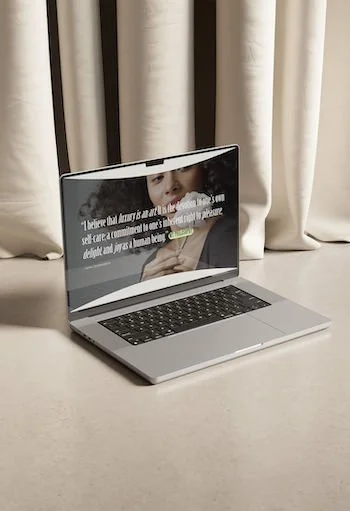
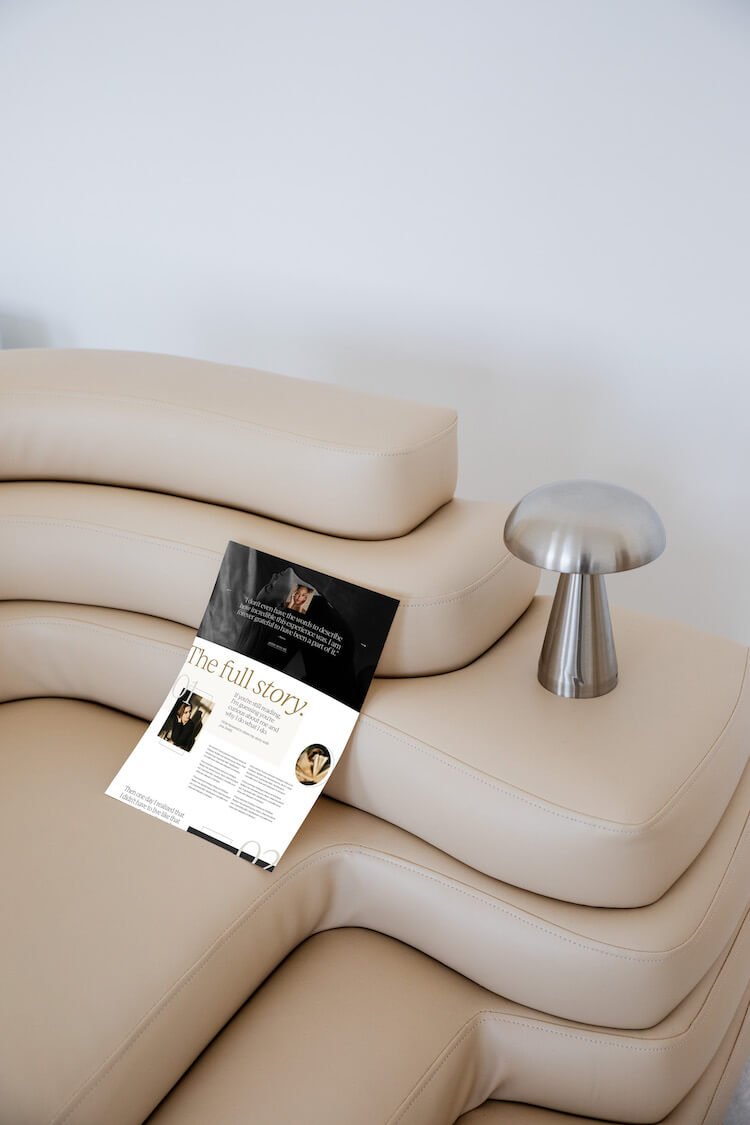

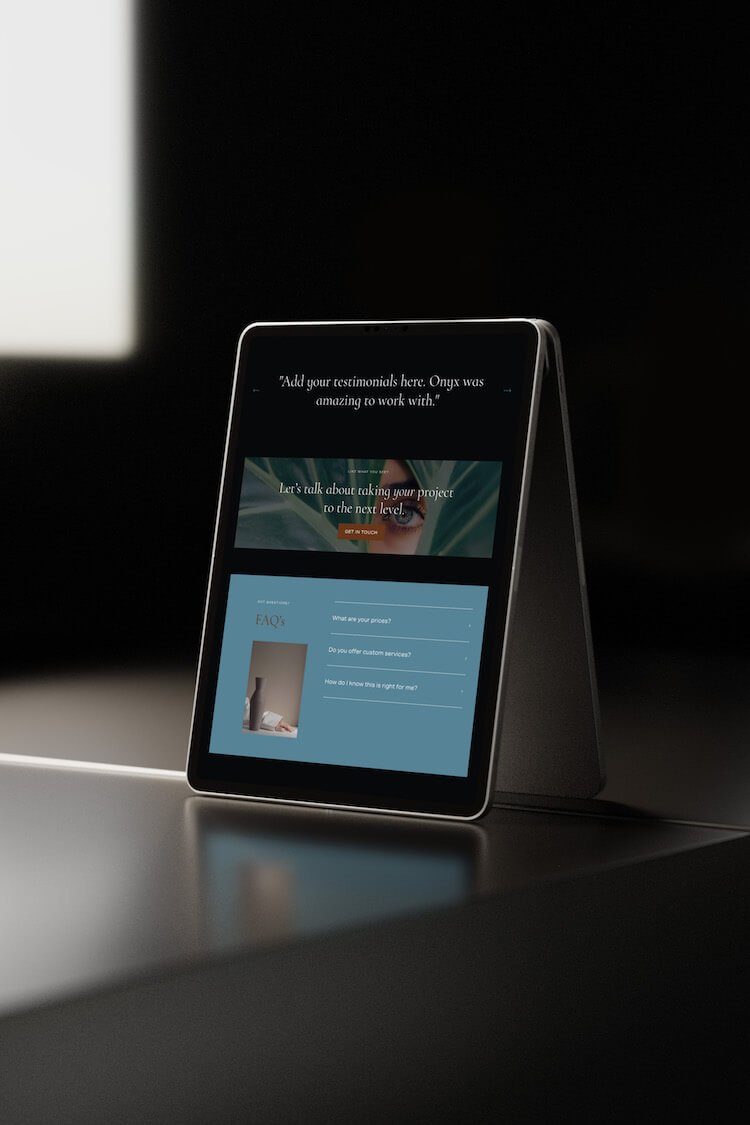

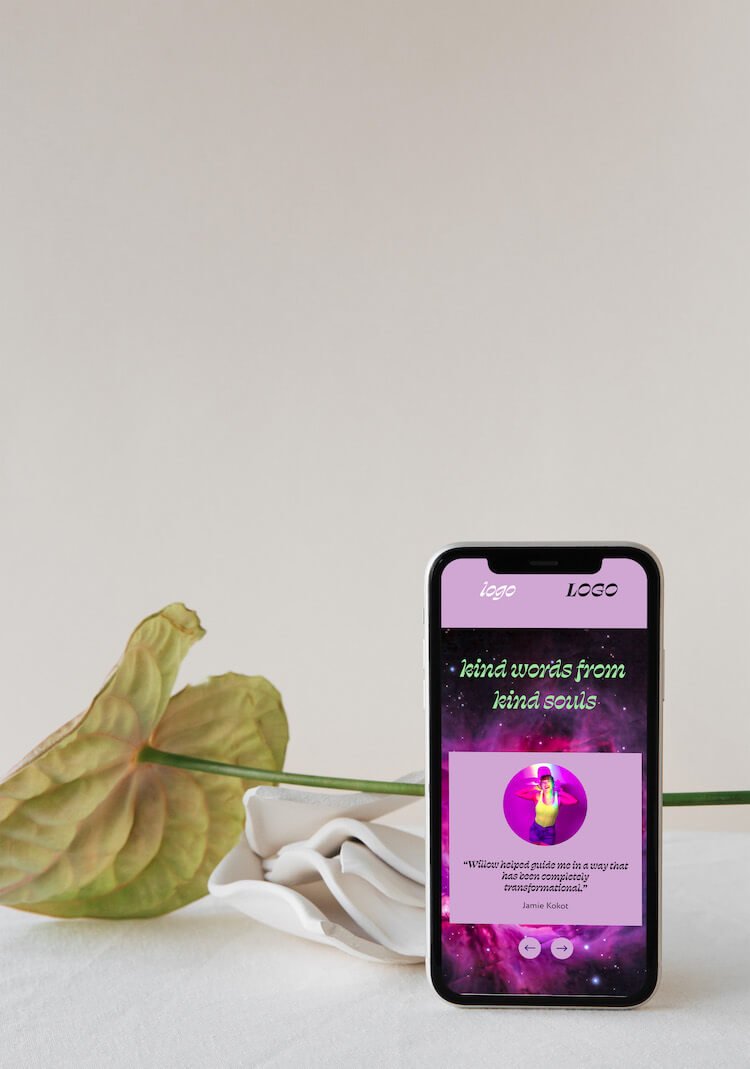
Pictured above are some examples from our astrology-inspired Squarespace website template collection to show you how you can display your social proof in testimonial sections on your website portfolio as you continue to collect customer feedback over time. Every template has a pre-designed Case Studies page which makes it simple and quick to add value-packed, relevant case studies to provide proof of how your business has impacted customers over time. This is the fastest way to build trust, especially in the online space. Keep in mind that that is essential to keep this page updated as your business grows, and feedback changes over time.
Image source: Premium product mockups by Moyo Studio (GET 15% OFF + 4 free mockups using our affiliate link).
Common Self-Care Questions for Busy Creators
What are some effective relaxation techniques to reduce daily stress and boost overall well-being?
Start with one technique you can repeat anywhere: box breathing, a 60-second body scan, or a short grounding walk without your phone. Even two minutes counts if you do it consistently, because repetition trains your stress response to downshift faster. If you need a simple starting cue, take the time to breathe before you open email or after a client call.
How can incorporating regular physical activity at home improve mental and physical health?
At-home movement boosts mood, circulation, and energy without the friction of travel time, which matters when your calendar is tight. Choose a tiny “starter” routine you can finish in 10 to 15 minutes, then stop while it still feels doable. The win is consistency, not intensity.
What time-saving strategies can help me simplify my daily routine and create space for self-care?
Audit your week once: list tasks, cut or automate one low-value step, and batch repeatables like invoicing or content captions. Add two non-negotiable recovery blocks to your calendar and protect them like meetings. Pre-decide meals and a shutdown checklist to reduce daily decision drag.
How do I overcome feelings of overwhelm and create a balanced schedule that supports both productivity and relaxation?
When you feel flooded, shrink the plan: pick one revenue-moving task, one maintenance task, and one recovery action for today. Use time boxes and a firm stop-time so your brain trusts there is an end to work. If overwhelm keeps returning, reduce active projects before adding new ones.
How can I use natural wellness products to enhance relaxation and mental clarity during busy or stressful periods?
Treat any wellness aid as optional support, not a substitute for sleep, movement, and boundaries. If you are considering cannabis concentrates, prioritize lab-tested products, verify cannabinoid potency, avoid unknown additives, and start with the lowest possible dose to reduce adverse reactions; those exploring THCa diamonds can apply the same cautions. Avoid mixing with alcohol or driving, and talk with a clinician if you have anxiety, take medications, or are unsure about interactions.
Your Smart Self-Care Success Checklist
This daily self-care checklist turns good intentions into repeatable habits that protect your energy and sharpen your creative decisions. When your nervous system is supported, your brand voice stays authentic and your business strategy gets easier to execute.
✔ Set two recovery blocks on your calendar and treat them as client time
✔ Choose one repeatable 2-minute calm reset and use it after calls
✔ Plan one 10-minute at-home movement session and keep it non-negotiable
✔ Batch one admin task weekly to reduce daily decision fatigue
✔ Define today’s one revenue task, one upkeep task, and one restore action
✔ Create a simple shutdown checklist to end work cleanly
✔ Track sleep, mood, and output weekly to spot what truly helps
Finish this list once today, then let your momentum compound tomorrow.
Protect Your Energy to Build Sustainable Creative Success
Creative entrepreneurship often rewards constant output, yet that pace can quietly drain health, focus, and joy. The long-game approach here is simple: treat smart self-care as a leadership practice that keeps self-care motivation tied to the work that matters. Done consistently, it supports personal growth for entrepreneurs, steadier decisions, and sustainable entrepreneurial success without burning through long-term well-being.
Self-care is the system that keeps creativity and business performance reliable. Choose one item from the checklist today and do it before the next work block. That small commitment strengthens entrepreneur empowerment by building resilience that lasts through every launch, season, and shift.
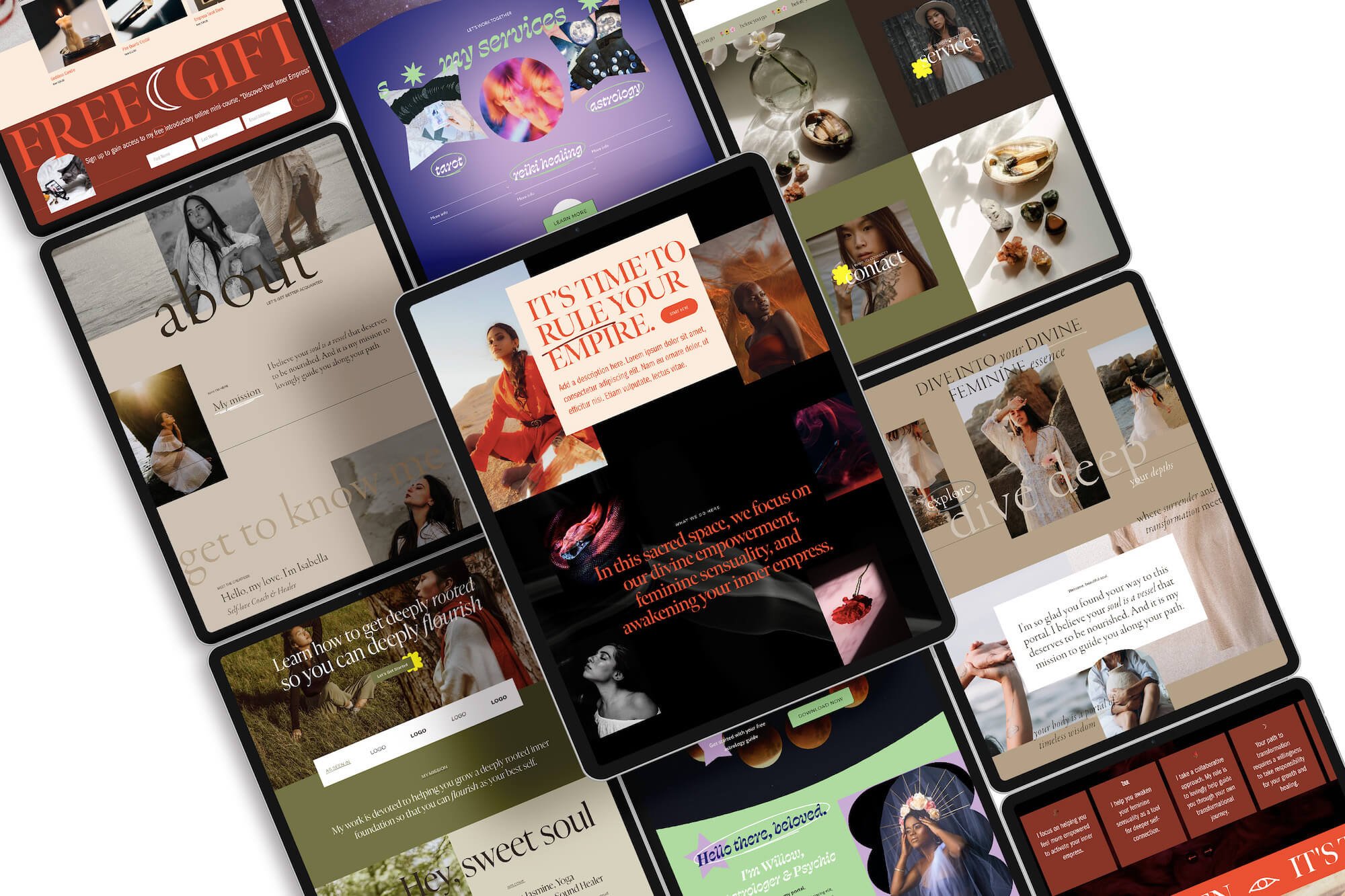
A look at The Humanista Co.’s Goddess collection of astrology-inspired Squarespace website templates. Image source: Premium product mockups by Moyo Studio to showcase your products in an elevated way (GET 15% OFF + 4 free mockups using our affiliate link).